Cycle syncing is everywhere right now. Align your workouts with your phase. Eat for your follicular window. Rest in your luteal week. It fills your feed, and on the surface it sounds like exactly the kind of body awareness women have been asking for.
And some of it genuinely is useful.
But there is a quieter finding underneath the trend that almost nobody shares. When researchers actually looked at what cycle syncing creators were telling women, they found something worth pausing on.
A study published in Perspectives on Sexual and Reproductive Health analyzed 100 popular cycle syncing videos on TikTok. About one third of the creators offered any credentials. Very few referenced any scientific evidence at all. And more than half handed out specific diet and exercise rules for each phase of the cycle, as though one set of instructions fits every woman watching.
One third with credentials. Almost none citing evidence. Confident rules for everyone.
That is the part the trend never mentions while it has its moment.
What Cycle Syncing Gets Right
Let us give the trend its due, because it earned some of the attention.
The core idea underneath cycle syncing is sound and, honestly, overdue. The female body moves through a month, not a flat line. Energy shifts. Sleep shifts. Appetite, focus, and how much rest you need all shift across the weeks. For a long time women were handed one flat set of expectations and told to meet them every single day, regardless of where they were in their month. Cycle syncing pushed back on that, and it was right to.
So the instinct is good. Pay attention to your month. Stop treating every week as identical. That part deserves the moment it is having.
Where the Confidence Outruns the Evidence
The problem is not the instinct. The problem is the certainty.
Most of the advice you scroll past is delivered as a rulebook. This exact food on these exact days. This exact workout in this exact window. Do this, avoid that, and do it the way everyone else is told to do it. The study found that this is exactly how the content tends to be framed, one universal set of rules, rarely tied to any evidence, rarely tailored to the individual woman watching.
And the science it leans on is genuinely more unsettled than the confident tone suggests. The research on tailoring diet and exercise to cycle phases is mixed and still developing. That does not mean the idea is worthless. It means anyone handing you a rigid four phase rulebook and calling it settled fact is telling you more certainty than actually exists.
You were not given bad information because you were careless. You were given oversimplified information because oversimplified information travels well on social media.
The Question That Actually Matters
Here is the shift that changes everything.
The useful question was never which influencer’s phase rules to follow. The useful question is: what is your pattern?
No creator, however confident, knows your body. They do not know the week your energy reliably dips, the days you sleep badly, the stretch where you feel most like yourself, or the phase where small things start to feel large. You do, or you can, once you start paying attention on purpose instead of borrowing someone else’s script.
Awareness of your own rhythm beats obedience to a stranger’s rulebook every single time.
How to Read Your Own Month
You do not need a spreadsheet or a rigid regimen. You need to notice, week by week, and respond to what is actually there.
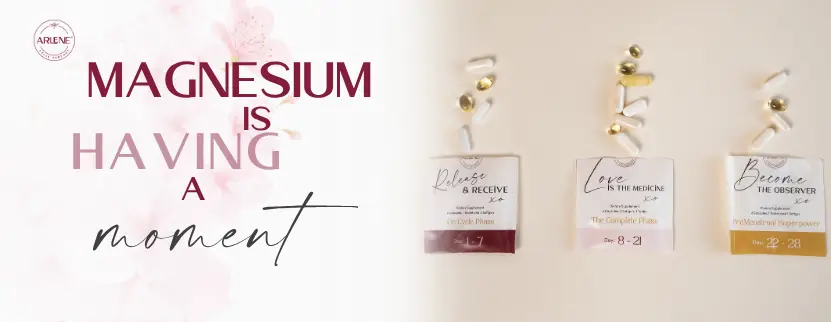
Days 1 to 7. The body is doing real work, and it often asks for rest, warmth, and slower pacing. This is a week to stop negotiating with yourself about productivity. Doing less here is not falling behind. For many women it is simply the right response to where their body is.
Days 8 to 21. For many women this stretch carries steadier energy and clearer thinking. The move here is not to chase a rescue but to not squander the window. Steady meals, steady sleep, steady support. Sustain what is already working instead of waiting for it to disappear.
Days 22 to 28. This is the phase so many women describe as feeling more tender, more wired, more awake at 2am, more likely to snap at something that would not have registered a week earlier. Noticing that this is a phase, and not a personal failing, is often the most useful thing a woman can learn about her own month.
Notice these are observations, not commands. That is the point. Your job is not to force your month into someone else’s four boxes. It is to learn your own version of it.
Make It a Ritual, Not a Rulebook
The women who stay connected to their cycle are rarely the most disciplined ones. They are the ones who made it feel good.
A quiet moment in the evening of your luteal week, a warm drink made properly, in a nice glass, phone face down, does more than a strict regimen you resent. A Bougie Beverage in the days before your period is not a wellness performance. It is a small, deliberate signal to your body that the week ahead will be met with something other than white-knuckling.
Ritual is what turns support into something you actually keep doing.
Where Arlene Fits In
Arlene was built on the idea this article keeps circling. Your body’s needs change across the month, so your support should too.
But notice what Arlene does not do. It does not hand you a rigid rulebook and tell you your luteal phase demands one specific thing. It gives you support that meets you where you actually are, phase by phase, so you can respond to your own body instead of performing someone else’s routine.
That is also why Arlene is not one formula. It is a phase-based system, designed so that the support you have on day three is not the same support you have on day twenty-four. It is built for a body you understand, not for a phase you were told to fear.
The Trend Had the Right Instinct. It Just Skipped the Truth.
Cycle syncing was right about one big thing. Your month is not a flat line, and your life does not have to be either.
Where it went wrong was pretending to be more certain than the evidence allows, and handing every woman the same rigid script. The more honest version is quieter and more useful. Learn your own pattern. Support the week you are actually in. Let awareness, not obedience, lead.
Once you stop following someone else’s rulebook and start reading your own body, you stop working against your month and start working with it.
Ready to support your cycle phase by phase? Explore Arlene and discover a more intentional way to meet every week of your month.