For many women, PMS has been normalized for so long that it is rarely questioned.
Mood swings, bloating, cravings, irritability, poor sleep, anxiety, and feeling unlike yourself in the week before your period are often treated as something you simply have to tolerate. It becomes part of the monthly routine, even when it feels disruptive and exhausting.
But common does not always mean normal.
If your body feels significantly harder to live in during the final week of your cycle, that is worth paying attention to. Symptoms are often a form of communication. They can be a sign that the body needs more support, not something you are expected to silently endure every month.
Understanding what is happening during this phase can completely change the way you experience it.
What Is the Luteal Phase?
The luteal phase is the time between ovulation and the start of your next period. For many women, this is usually the last week or two of the cycle, although timing can vary from person to person.
During this phase, hormones shift in preparation for either pregnancy or menstruation. Because of these changes, energy levels may decrease, appetite can shift, emotions may feel closer to the surface, and the nervous system may become more sensitive than usual. In a well-supported cycle, this phase can feel slower, calmer, and more inward.
In an under-supported cycle, it can feel overwhelming.
Why PMS Symptoms Can Show Up
There is rarely one single cause of PMS. More often, it is the result of several factors building pressure in the body over time.
When stress remains high for long periods, the body often responds with disrupted sleep, increased anxiety, stronger cravings, physical tension, and greater emotional sensitivity. These symptoms commonly become more noticeable during the luteal phase, when many women naturally feel more sensitive to internal and external stress.
Sleep quality can also play a major role. Sleep influences mood regulation, hunger signals, energy levels, stress resilience, and overall hormone wellness. If sleep has been inconsistent throughout the month, PMS can feel more intense and harder to manage.
Blood sugar balance is another important piece. Skipping meals, under-eating, relying heavily on sugar, or eating inconsistently can contribute to mood dips, cravings, irritability, and energy crashes, especially before your period begins.
Nutritional depletion may also increase symptom intensity. Many women benefit from consistent nourishment, especially adequate minerals, protein, hydration, and whole-food meals. When the body feels depleted, symptoms often feel louder and more disruptive.
Finally, nervous system overload can have a powerful effect. If your month has been filled with pressure, overstimulation, emotional labor, and constant output, the luteal phase may be when your body finally asks for a pause. What feels like PMS is sometimes the body revealing how much it has been carrying.
Signs Your Body May Need More Support
Every woman’s experience is different, but common luteal phase symptoms can include bloating, irritability, low mood, anxiety, sugar cravings, poor sleep, fatigue, breast tenderness, brain fog, and feeling emotionally overwhelmed.
These experiences may be common, but they should not be dismissed or minimized. They are often signs that the body may need more consistent support, better recovery, or a gentler approach during this phase of the month.
What Can Help Naturally
Supporting PMS is often less about finding one magic solution and more about lowering the overall pressure on the body while increasing consistency in daily habits.
Going to bed earlier, reducing stimulation at night, and keeping a more regular sleep schedule can make a meaningful difference over time. Sleep plays a major role in mood, cravings, stress resilience, and hormone wellness.
Regular meals that include protein, fiber, and healthy fats can help support steadier energy, fewer cravings, and better mood stability. Many women notice the luteal phase feels easier when meals are consistent and nourishing.
Some women also find that reducing caffeine and alcohol during this time can be helpful, especially if anxiety, irritability, or poor sleep are already present.
Movement can support the body too, but intensity matters. Walking, Pilates, stretching, swimming, and lower-intensity exercise often feel more supportive than forcing yourself through exhausting workouts when energy is already lower.
This can also be the right time to lower the mental load where possible. Saying no more often, simplifying your calendar, delaying nonessential commitments, and creating space for recovery can have a real impact.
Finally, nervous system support is often one of the most powerful tools available. Breathwork, sunlight, journaling, prayer, meditation, therapy, or simply allowing yourself to rest can help the body feel safer, calmer, and more supported.
A Different Relationship With PMS
One of the biggest shifts women often experience is not only fewer symptoms, but a different relationship with this phase of the month.
Instead of dreading it, they begin to understand it.
Instead of seeing themselves as difficult or overly emotional, they recognize that the body may be asking for care.
Instead of pushing harder, they learn to support themselves more wisely.
That shift alone can feel powerful.
Where Arlene Fits In
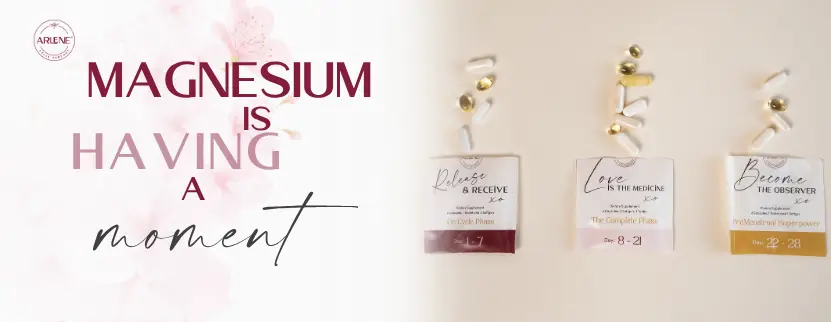
For women who want a more intentional approach to monthly support, Arlene Cycle Support was created around the understanding that a woman’s needs can shift throughout the cycle.
Its phase-based approach is designed to work with your rhythm rather than against it, offering support that aligns with the natural changes of the month.
You Do Not Have to Dread the Last Week of the Month
PMS may be common, but suffering should never be dismissed as something you simply have to accept.
Your body may be asking for nourishment, steadier habits, reduced stress, better sleep, or more consistent support. When you listen and respond with care, the final week of the month can begin to feel very different.
Ready to support your cycle with more intention? Explore Arlene Cycle Support and discover a smarter way to care for every phase.